How to Know When It’s Time to Replace Your Deck Boards
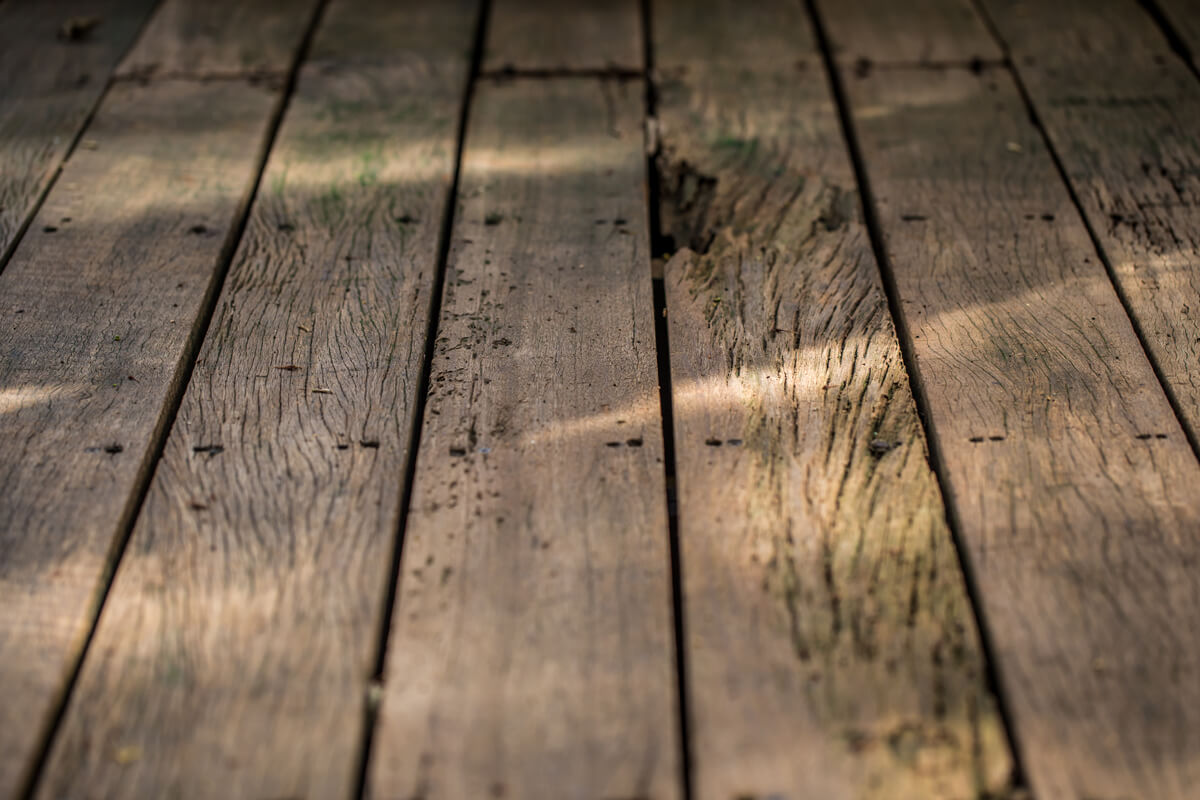
Your deck is one of the most enjoyable parts of your home—whether it’s for hosting summer gatherings, relaxing after work, or enjoying a quiet morning coffee. But like any outdoor feature, it faces constant exposure to the elements. Over time, even the best-built decks begin to show signs of wear, and knowing how to tell when deck boards need replacing can help you avoid costly repairs and keep your family safe.
In this post, we’ll cover the visible and hidden warning signs of deck damage, how to decide between repair and replacement, and when it’s best to call a professional for help.
Why Deck Boards Deteriorate Over Time
Every deck—no matter how well-built—has a lifespan. Several environmental and maintenance factors contribute to how quickly boards deteriorate.
1. Weather Exposure
Rain, snow, and sun all take their toll. Moisture seeps into wood fibers, causing swelling, warping, and rot, while UV rays from the sun dry out the surface, leading to cracks and fading.
2. Lack of Regular Maintenance
Skipping yearly cleaning, sealing, or staining leaves boards unprotected. Without proper sealing, even pressure-treated wood will eventually weaken and splinter.
3. Poor Drainage or Design
Standing water or debris buildup between boards accelerates decay. Improper spacing and inadequate airflow underneath your deck trap moisture and promote mold growth.
4. Material Quality
Natural wood decks offer beauty and character, but they’re more vulnerable than composite materials. Still, even composite boards can fail over time due to structural issues beneath the surface.
Pro Tip: Most wood decks last between 10 and 15 years, depending on the material, maintenance routine, and climate.
Visible Warning Signs You Shouldn’t Ignore
Some indicators of deck damage are easy to spot—and ignoring them can turn minor fixes into major repairs.
1. Splintering and Cracks
Cracks may seem harmless at first, but they expose the wood to moisture and create rough surfaces that can injure bare feet or pets.
2. Soft or Spongy Spots
If the wood feels soft when you press on it, rot has likely set in. This kind of decay spreads quickly, especially in areas that stay damp.
3. Discoloration or Fading
Sun damage and moisture stains not only dull your deck’s appearance but also weaken the board’s protective layer, making it more prone to cracking and decay.
4. Loose Nails or Fasteners
When screws start backing out or nails no longer grip, it’s a sign the wood has expanded, contracted, or deteriorated—compromising the deck’s stability.
5. Warped or Cupped Boards
Boards that bow or lift away from the frame indicate water damage or age-related warping. These can trip guests and signal that replacement is overdue.
If you notice several of these issues together, it’s time to take a closer look at your deck’s overall condition.
Subtle Structural Clues Beneath the Surface
Not all deck damage is obvious at first glance. Many homeowners are surprised to learn that the most serious problems often start below the boards.
1. Hidden Rot and Moisture Damage
Even if your boards look fine, moisture trapped beneath can cause joists and supports to rot over time. Check under your deck for soft spots, discoloration, or musty smells.
2. Wobbly Railings or Loose Connections
If your deck feels unstable or railings move when touched, fasteners may have loosened from expanding and contracting wood. This can be a major safety concern.
3. Mold or Algae Growth
Green or black patches under the deck surface indicate poor drainage or prolonged dampness. Mold breaks down wood fibers and makes the deck slippery.
4. Rusting Hardware or Corrosion
Fasteners, brackets, and joist hangers are the backbone of your deck’s structure. If they’re rusting or separating, it’s a clear warning that your deck may not be structurally sound.
Performing a simple inspection once a season helps catch these issues early before they turn into costly replacements.
Repair or Replace? How to Make the Right Call
It’s natural to wonder whether your deck needs a complete overhaul or just a few new boards. The decision depends on the extent of the damage and your deck’s overall age.
When Repairs Are Enough:
- Only a few boards are cracked or loose
- The underlying frame and joists are still strong
- Nails or fasteners just need tightening
- Surface wear can be resolved with sanding and resealing
When Replacement Is the Smarter Choice:
- More than 25–30% of the boards show damage
- You notice widespread rot or mold
- The frame is warped or unstable
- Your deck is nearing (or beyond) its 15-year lifespan
While repairs can extend a deck’s life short-term, replacing worn-out boards—or the entire deck—often saves time and money in the long run. Plus, newer materials like composite decking offer low-maintenance, weather-resistant benefits that last decades.
For a detailed breakdown of deck materials and installation options, visit our Deck Installation Services page.
When to Call a Professional Deck Builder
Even the most dedicated DIYers reach a point where professional expertise makes all the difference. Hiring a licensed contractor ensures your deck is inspected, repaired, or replaced safely and up to code.
A professional deck builder in Beaver County will:
- Assess structural integrity beneath the surface
- Identify issues homeowners might overlook
- Recommend cost-effective repair or replacement options
- Use proper materials and techniques for long-term results
Choosing a local expert like SC Projects LLC means working with a team that understands Pennsylvania’s weather, building standards, and home styles. Our crew handles everything from inspections and estimates to complete deck rebuilds with precision and care.
Learn more about our Deck Installation Services and see how we can help you restore beauty and safety to your outdoor space.
Conclusion: Keep Your Deck Safe, Strong, and Built to Last
Recognizing early warning signs—like soft spots, cracks, or wobbly railings—can save you from expensive repairs and safety hazards later. When in doubt, trust an experienced local deck builder to inspect and guide you through your options.
At SC Projects LLC, we’ve helped homeowners across Beaver County protect their homes and enjoy their outdoor spaces with confidence.
Ready to make your deck safe and beautiful again?
Request a free consultation today to schedule an inspection or get a personalized quote from our trusted Beaver County team.